
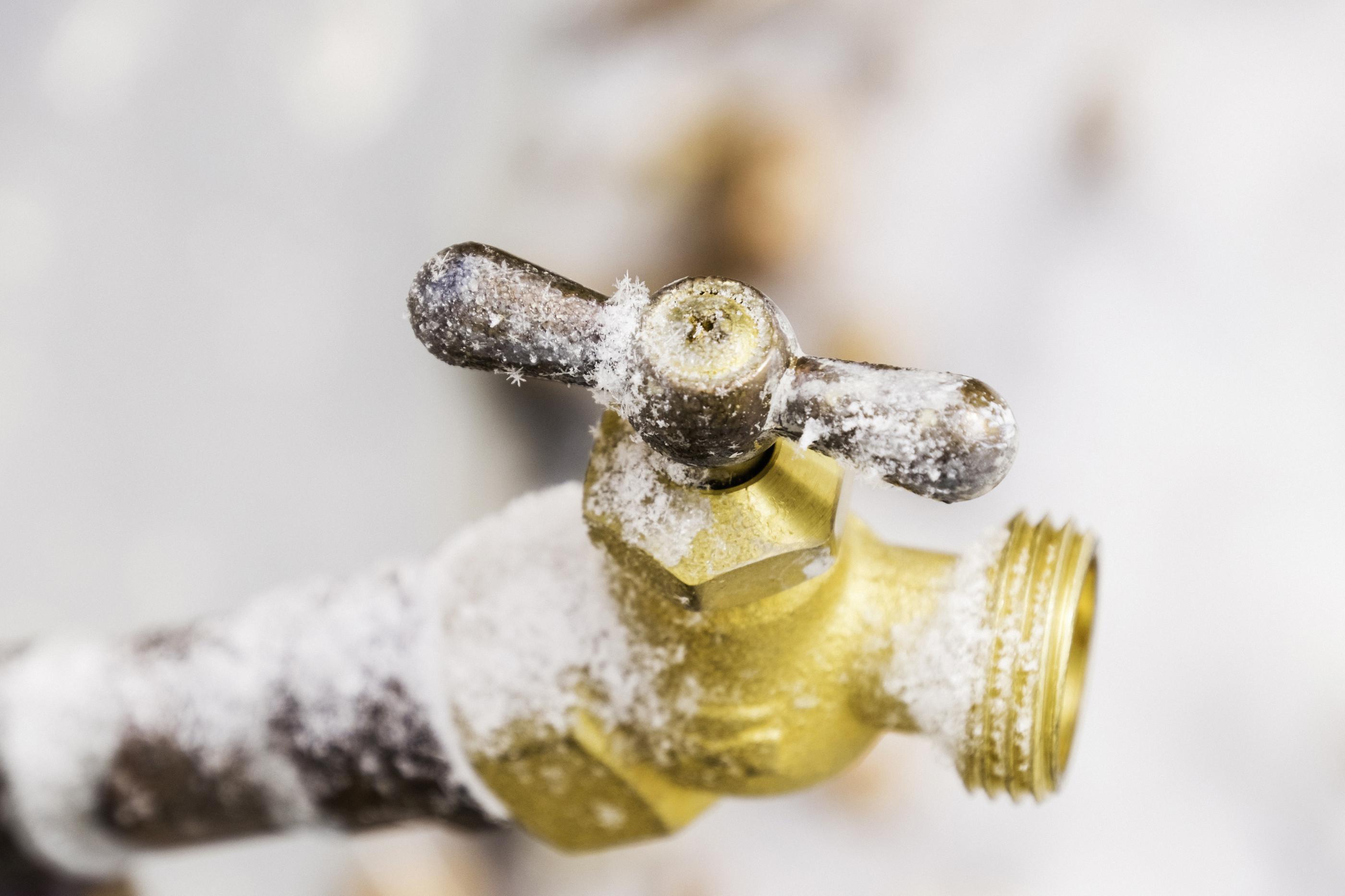
Freezing weather can turn a plumbing system into a stressful and expensive surprise. Water expands as it freezes, and that pressure can crack a pipe, split a fitting, or weaken a joint, especially in exposed or vulnerable areas. A winter plumbing checklist helps you identify risks before cold air finds them, such as uninsulated lines, drafty crawlspaces, or shutoff valves that are hard to locate. At [company_name] in Kansas City, MO, we help homeowners prepare for freezing temperatures with inspections, winterization support, and targeted repairs to protect plumbing systems when temperatures drop.
Find Spots That Freeze First
Freeze problems rarely start in the center of a home. They usually begin where cold air reaches plumbing most easily. Focus on pipe runs near exterior walls, in garages, crawlspaces, or attics that do not stay warm. You do not need to take anything apart to gather useful clues. Track patterns instead. Does a bathroom on an outside corner lose hot water faster overnight? Does a sink cabinet feel noticeably colder than the room? Do you feel drafts under a vanity or behind a toilet on an exterior wall? These signs help a licensed plumber identify the highest freezing risks.
Pay attention to rooms that are used less often. Guest bathrooms, laundry rooms, or back hallways may cool down faster than the rest of the house. A pipe in these areas can freeze even while the main living spaces feel comfortable. A plumber can evaluate insulation coverage, confirm pipe routing, and recommend sealing or protection strategies for cold snaps. Identifying weak zones early makes them easier to protect.
Know How Your Shutoff Valves Work
A winter checklist is incomplete if you are unsure how your shutoff valves operate. Many homeowners assume a valve will turn easily and stop water completely. Valves that have not been used in years can stick, leak, or fail to close fully. Discovering that during a freeze-related leak can make the situation worse. While repairs should be handled professionally, planning ahead is simple. Locate your main shutoff, keep access clear, and note its condition. Corrosion, mineral buildup, or awkward placement are signs that the valve should be inspected.
Local shutoffs also matter. Valves under sinks, behind toilets, and on outdoor supply lines can be useful during targeted repairs, but they can be just as old or unreliable. A plumber can test the operation, replace failing valves, and label them clearly. This small upgrade can turn a stressful overnight leak into a controlled response.
Outdoor Faucets and Irrigation Lines Need a Different Approach
Outdoor plumbing is exposed to cold air first and receives little help from indoor heat. Hose bibs, anti-siphon devices, and exposed supply lines can freeze quickly during overnight temperature drops. In some situations, a slow drip may reduce pressure buildup, but it does not guarantee protection and can sometimes increase exposure if water continues flowing through a cold section. The most vulnerable point is often not the faucet itself, but the pipe feeding it through a wall cavity or garage wall that stays cold.
Irrigation systems add another layer of risk. Backflow preventers and sprinkler lines can crack if water remains trapped during freezing conditions, and damage may not be visible until the system is reactivated. A winter plan should include professional irrigation winterization based on the system’s layout. A licensed plumber can also inspect exterior line supports, insulation placement, and exposed components to reduce freeze risk. Addressing these areas before the coldest weather helps prevent costly springtime repairs.
Hidden Leaks Become Bigger When Freezing Hits
Small leaks matter more during winter because cold conditions place additional stress on plumbing connections. A slow drip under a sink can worsen if nearby piping freezes and expands. Moisture can also reduce insulation effectiveness, increasing the chance of freezing in the same area. Look for visible warning signs such as musty odors under cabinets, staining at the base of vanities, bubbling paint near supply walls, or warped flooring near toilets. These clues suggest water intrusion that cold weather can aggravate.
A licensed plumber can use leak detection tools to locate the source, confirm activity, and repair it before freezing temperatures increase the damage. Early detection is especially important in crawlspaces or wall cavities, where a freeze-related break can release large amounts of water quickly. Addressing leaks early reduces the risk of emergency flooding and extensive cleanup.
Plan For Cold Snaps With a Clear Service Strategy
Cold-weather plumbing preparation is less about completing countless tasks and more about having a clear response plan. Know which areas freeze first, where shutoffs are located, and which warning signs require immediate attention. If a fixture stops flowing, frost appears on exposed piping, or unusual noises occur during cold hours, treat these as signals to contact a licensed plumber. Frozen pipes are most likely to fail as they thaw, so waiting for warmer weather can increase damage.
Timing matters as well. Schedule inspections and repairs before severe weather arrives. Service demand rises quickly during the first major freeze. A winter plumbing checklist visit can include evaluation of exposed lines, valve condition, outdoor faucet protection, pressure checks, and leak detection as needed. This results in a plan tailored to your home rather than general advice. When freezing temperatures hit, you will know what has been addressed and what still needs attention.
Get Ahead Of Freezing Weather
Winter plumbing problems often begin quietly and escalate when a pipe finally fails. Taking action early helps maintain control, especially in homes with exposed lines, aging valves, or areas that cool rapidly. We help protect pipes through winterization checks, insulation upgrades, shutoff valve repairs, and leak detection, focused on cold-weather risks. A brief service visit now can help prevent water damage and costly repairs later. Schedule your winter plumbing checklist with Benjamin Franklin Plumbing® before freezing temperatures arrive.













 Your Privacy Choices